 Login
Login


 PAY MY BILL
  NATURAL GAS SAFETY
  I'M MOVING
  UTILITY ASSISTANCE
 M.U.D. Encourages Customers to Prepare for Safe Heating Season
As cooler temperatures approach, Metropolitan Utilities District encourages customer-owners to take a few simple steps to help ensure the safe and reliable use of natural gas throughout the heating season.
Schedule Annual Heating System Maintenance
M.U.D. recommends having furnaces, fireplaces, water heaters and other natural gas appliances inspected annually by a qualified heating professional. Regular maintenance can improve efficiency, identify worn parts and help prevent safety issues.
Keep in mind, you may also need to change or clean furnace filters more often in winter. Refer to your manufacturer’s recommendations to see what’s best for your system.
Check Carbon Monoxide and Smoke Detectors
Carbon monoxide (CO) is a colorless, odorless gas that can be produced by malfunctioning fuel-burning appliances or blocked venting systems.
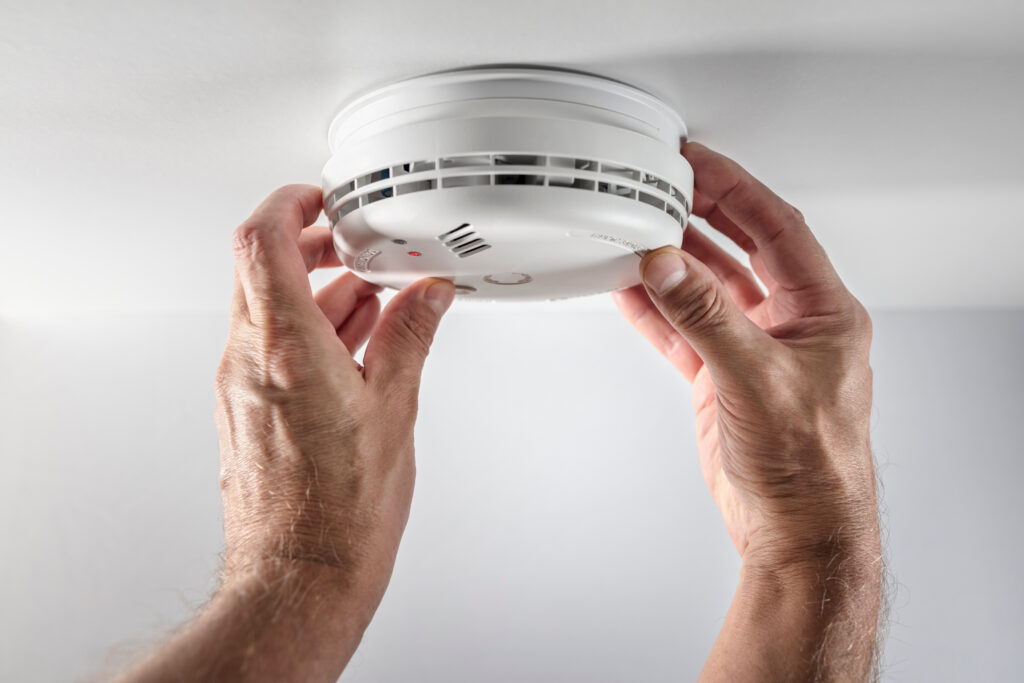
Before heating season begins:
- Test smoke and carbon monoxide detectors
- Replace batteries, if needed
- Follow manufacturer recommendations for detector replacement and maintenance
- Inspect your outdoor appliance vents to make sure they are free of leaves, debris and other obstructions.
Symptoms of carbon monoxide exposure include headache, dizziness, nausea, fatigue and shortness of breath. Anyone experiencing symptoms should move to fresh air immediately and call 911.
Prepare Natural Gas Meters for Winter
Before snowfall arrives, identify the location of your natural gas meter and make sure the surrounding area is accessible. Bushes, shrubs and plants should be trimmed back at least three feet from the meter so that crews have enough room to work.
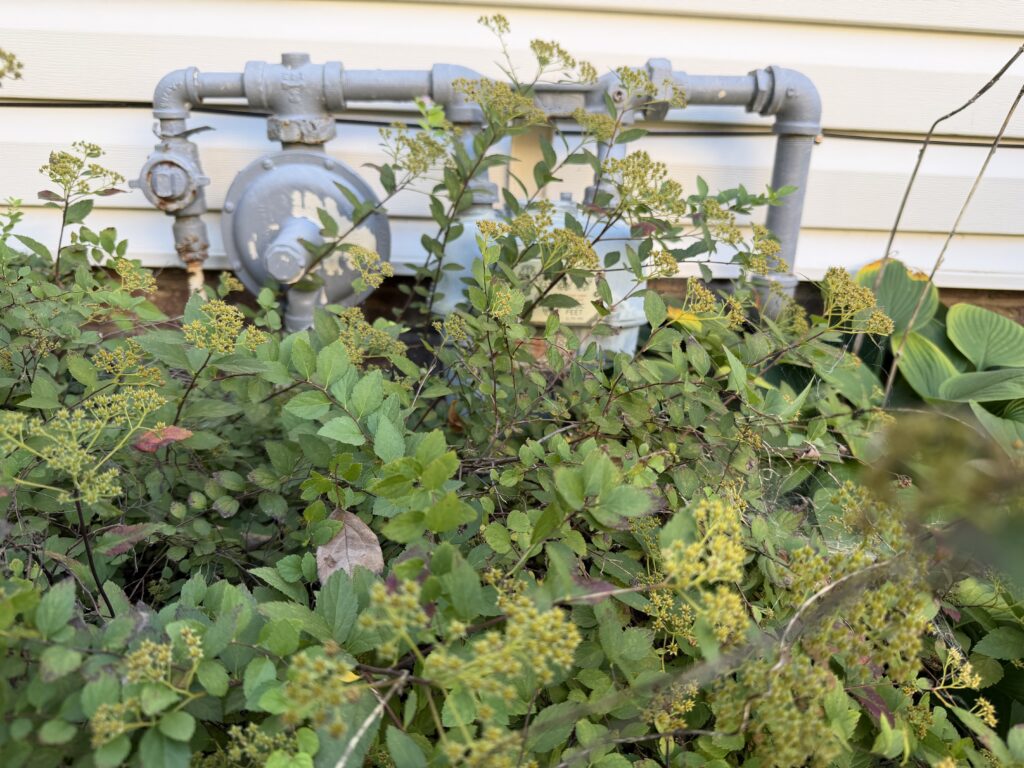
During winter months:
- Use a broom or brush, rather than a shovel, to remove snow or ice from meters and regulators
- Do not pile snow onto meters or piping
- Never hang items or tie pets to natural gas meters or piping
Appliance Safety Reminders
Routinely check outdoor vents and clear any blockages. Snow, ice, leaves and other debris can block exhaust vents and air intake pipes, causing appliances to malfunction and increasing the risk of carbon monoxide accumulation.
Remember, you should never use a natural gas oven or range to heat your home. Appliances should be used only for their intended purpose, and children should be taught safe practices around household appliances.
Traveling This Winter
If you’ll be away from home during the winter months, keep your furnace at a lower temperature setting and arrange for someone to periodically check the home.
Know the Signs of a Natural Gas Leak
No matter the season, it’s important to recognize a natural gas leak. For safety, natural gas is given a distinctive rotten egg or sulfur-like smell.
If you smell natural gas:
- Leave the area immediately
- Do not use matches, lighters, electrical switches, phones or other devices that could create a spark
- Move to a safe location
- Call 911 or M.U.D.’s 24-hour emergency line at 402.554.7777