 Login
Login


 PAY MY BILL
  NATURAL GAS SAFETY
  I'M MOVING
  UTILITY ASSISTANCE
 M.U.D. Achieves Record Year for Lead Service Line Replacements
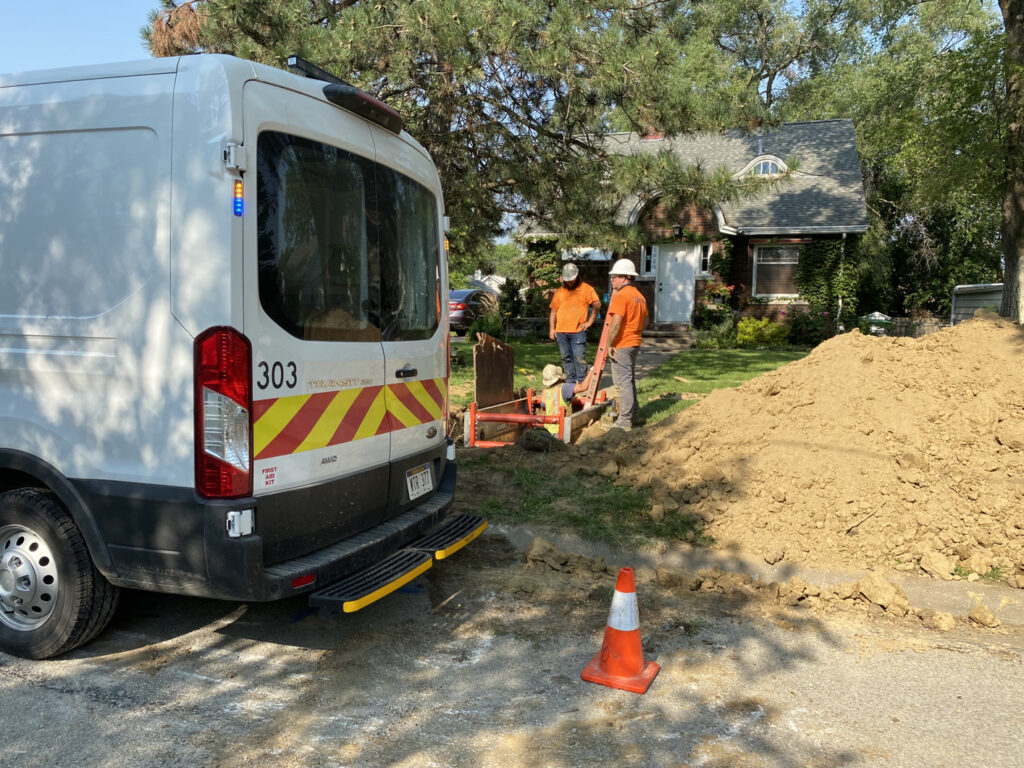
Metropolitan Utilities District has reached its 2026 lead service line replacement goal five months ahead of schedule.
The milestone marks significant progress in reducing potential sources of lead exposure and protecting public health throughout the community. Lead can be especially harmful to young children, affecting brain development and learning ability.
As of July 31, M.U.D. and its contractor partners completed 1,039 lead service line replacements this year. That’s 100% of the District’s 2026 goal and more than 300 replacements above the previous annual record.
“Every line we replace helps make our community safer,” Megan Walter, Director of Business Development, said. “Reaching this milestone so early in the year shows just how dedicated our employees and partners are to this important mission.”
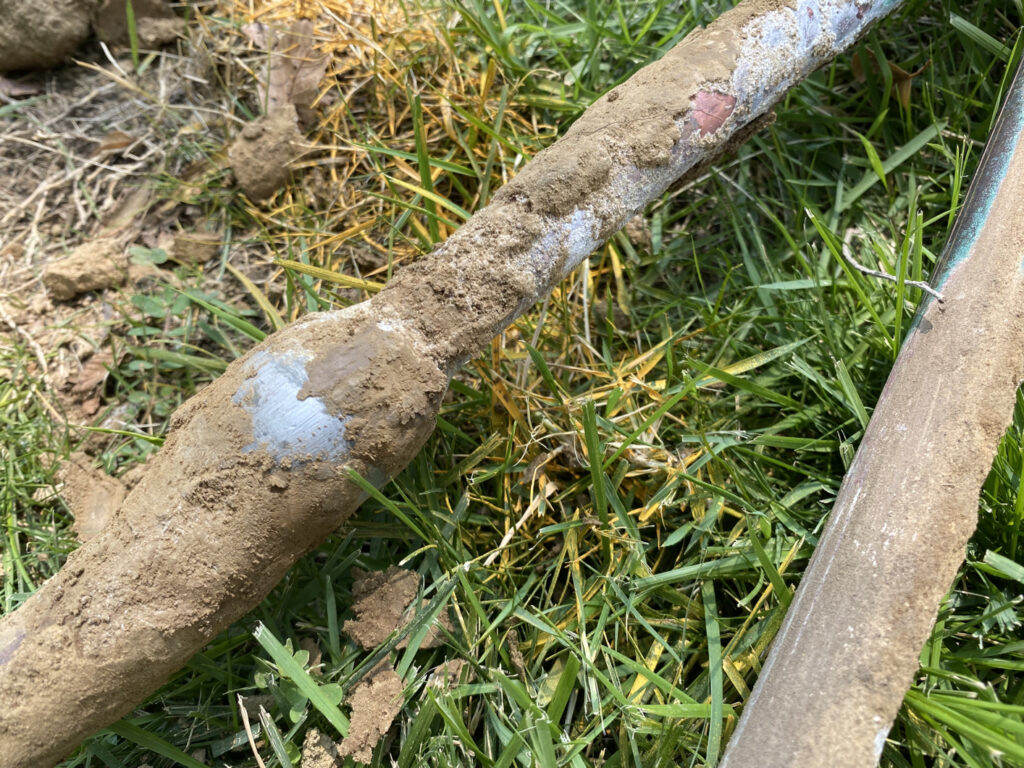
M.U.D.’s Detect. Correct. Protect. Lead Service Line Replacement Program launched in 2024. The program aims to replace all lead service lines in the District’s service area by 2034.
Record-setting progress in 2026
July was the program’s strongest month since it began, with crews completing 231 lead service line replacements. Totals grew steadily throughout the year.
Replacements by month:
- January: 34
- February: 71
- March: 156
- April 174
- May: 174
- June: 199
- July: 231
The record pace reflects improved efficiency, strong teamwork and dedicated customer outreach and education.
Despite already reaching this year’s goal, crews will continue working through the fall and winter months. They are on pace to complete more than 1,600 replacements in 2026.
Building momentum year after year
M.U.D.’s lead service line replacement program has gained momentum each year since its launch. Annual replacements increased from 270 in 2024 to 710 in 2025.
The District has worked closely with state and federal partners to secure more than $44 million in grants and loan funding toward the program’s estimated $150 million total cost. M.U.D. will continue to seek additional funding opportunities to minimize financial impacts on ratepayers.
“We’ve shown what’s possible when planning, collaboration, investment and community participation come together. We’re going to continue to keep that momentum going until every lead line is gone,” said Trevor Tonniges, Plant Engineering Director.
A community-focused approach
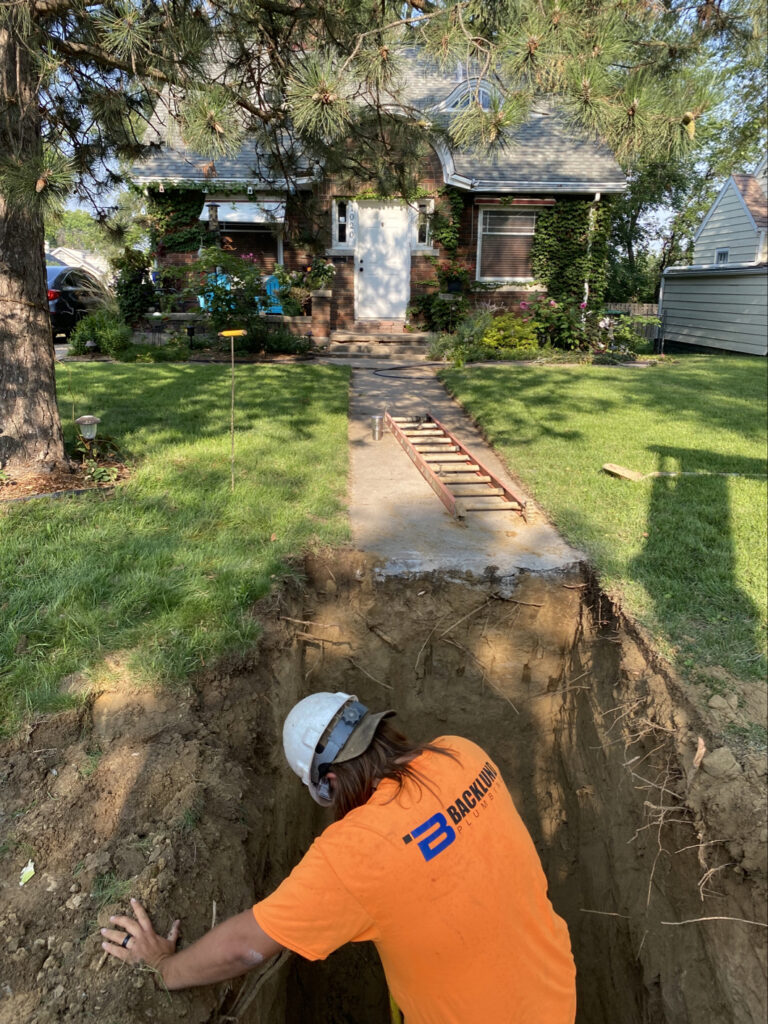
Customers can use M.U.D.’s online interactive map to check their service line status. A service line is the underground customer-owned pipe that connects a home or business to M.U.D.’s water main. The tools identify lead service lines and unknown lines needing verification.
Eligible lead service lines are replaced at no cost to customers. M.U.D. prioritizes areas with higher concentrations of lead service lines. The District also focuses on neighborhoods with larger concentrations of children and families.
To read more about the program and how it works visit mudomaha.com/lead.